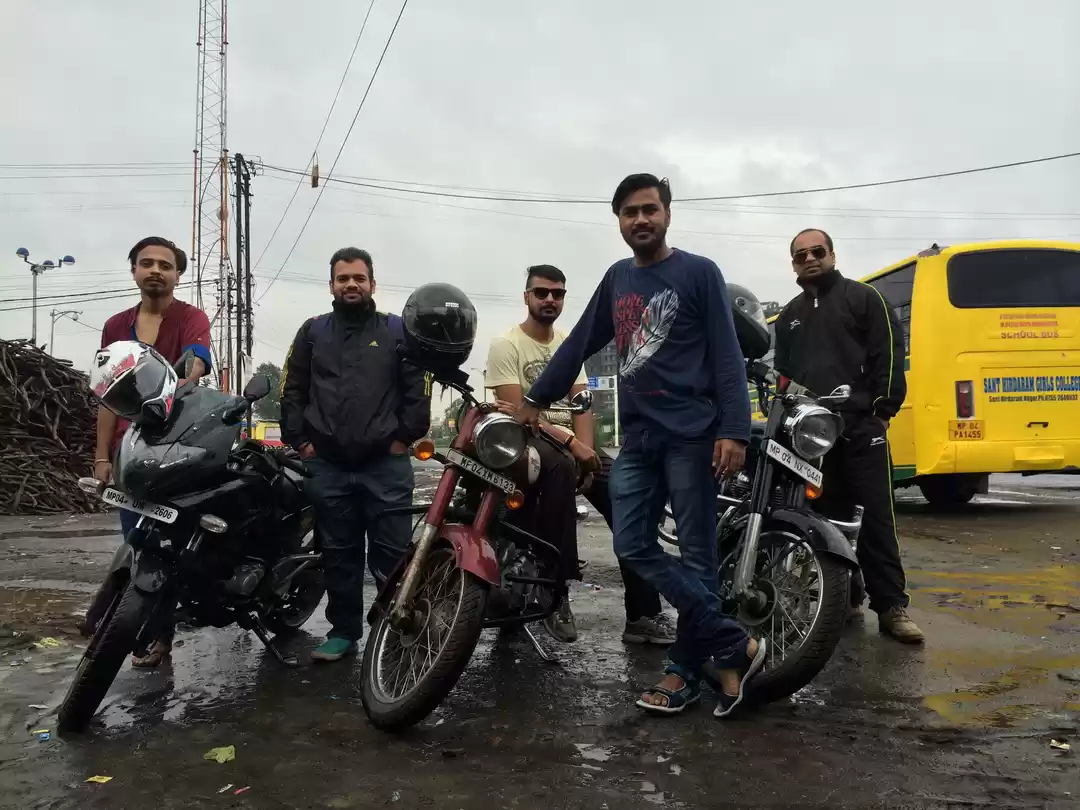
I go by Prateek Yadav. I am an Indore City native attending college. I'll talk about my trip from Khandwa to Indore today. I was searching through my phone's gallery on August 30, 2020, trying to decide which trip to share on Instagram.
The most populated city in the state of Madhya Pradesh is Indore. It is regarded as the centre of education for the states of IIT and IIM. Situated on the southern tip of the Malwa plateau is the city known for its impeccable cleanliness.
We started our 130-kilometer journey from Khandwa to Indore early on September 1, 2020, at approximately six in the morning. Due to poor decision-making, we no longer travel first and enjoy it as much as we once did. As you know, the road was in awful condition when we got to Chegaon Makhan Village, which is 15 km away from Khandwa. The entire path was full of enormous potholes.
The state of the road between Deshgaon town and Chegaon Makhan village is as you can see. The worst state of the road is full with large, invisible holes.
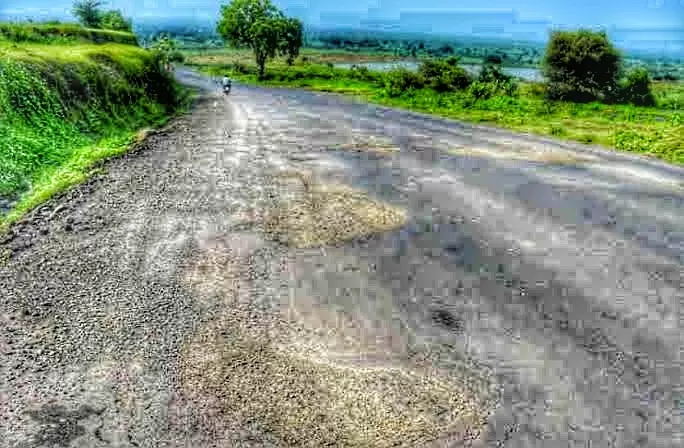
The region between Chegaon Makhan Village and Deshgaon Town is referred to as Deshgaon Ghat. Cars and bicycles were allowed to take the Mortakka Bridges, while several big and multi-axle vehicles were diverted from Deshgaon to Indore. Due to the numerous enormous holes that make the route to Sanawad costly for travel, we chose the worst one available. I learned that the Mortakka Bridge was closed because of excessive rain, and there was water inside of it when we got there. We were therefore told to steer clear of the Aquadug bridge near Omkareshwar Road.
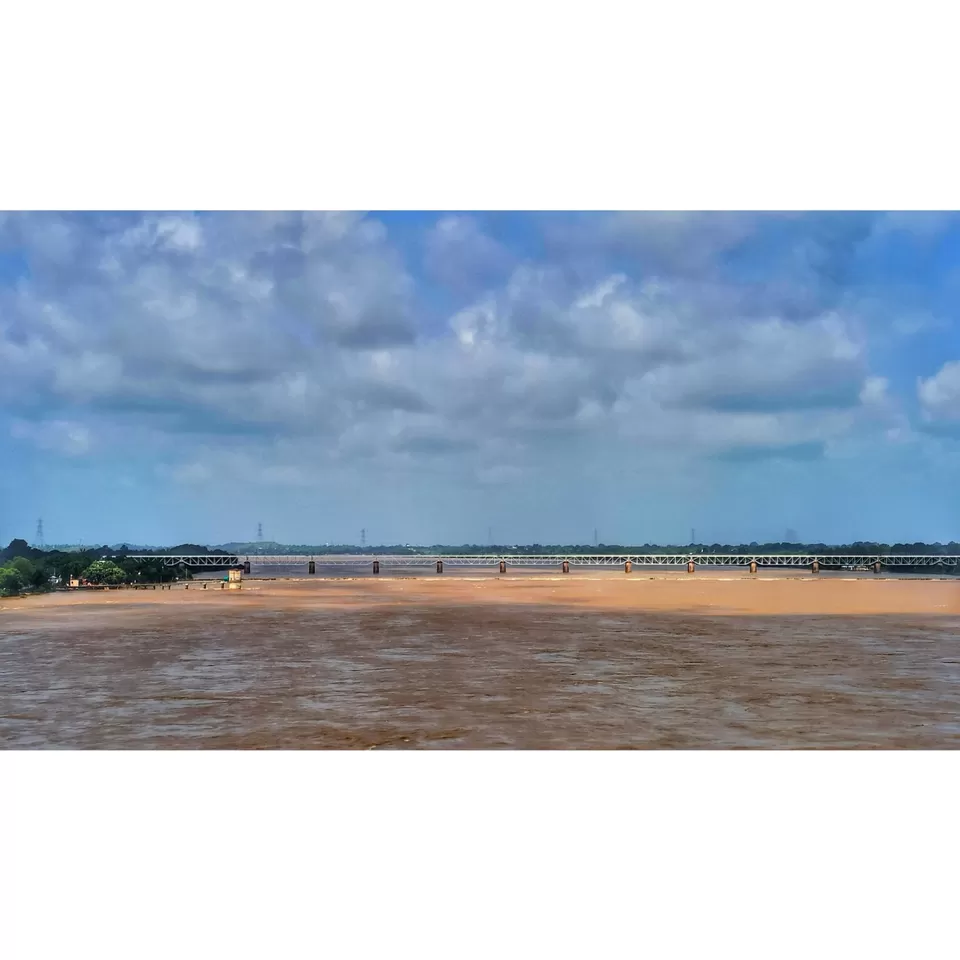
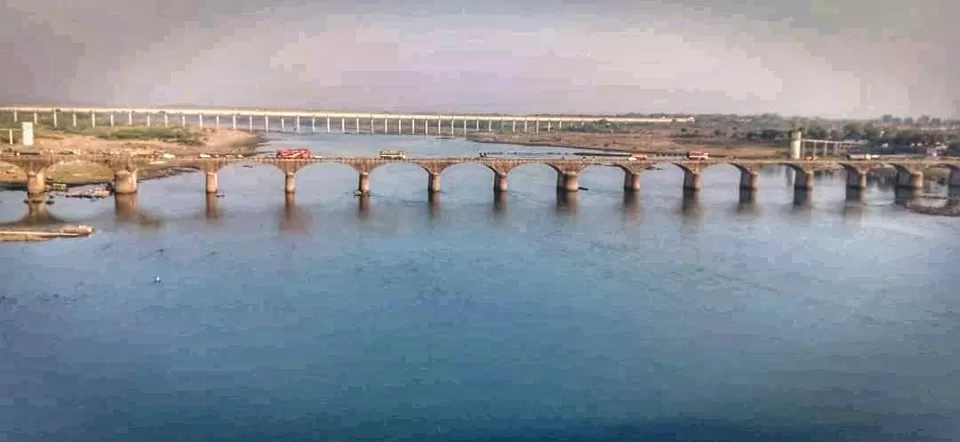
There was no traffic on this road because there were no big cars. "Bhai, yeh road toh jhula jhulayega yr," is something I state that a lot when I travel. After going over the Mortakka bridge and onto the Aquadug bridge, I arrived in Barwaha. Indore City was about sixty kilometres away from this location. However, there have been a lot of accidents on this road in every season. I used to read articles about the fatalities that occurred on this highway.
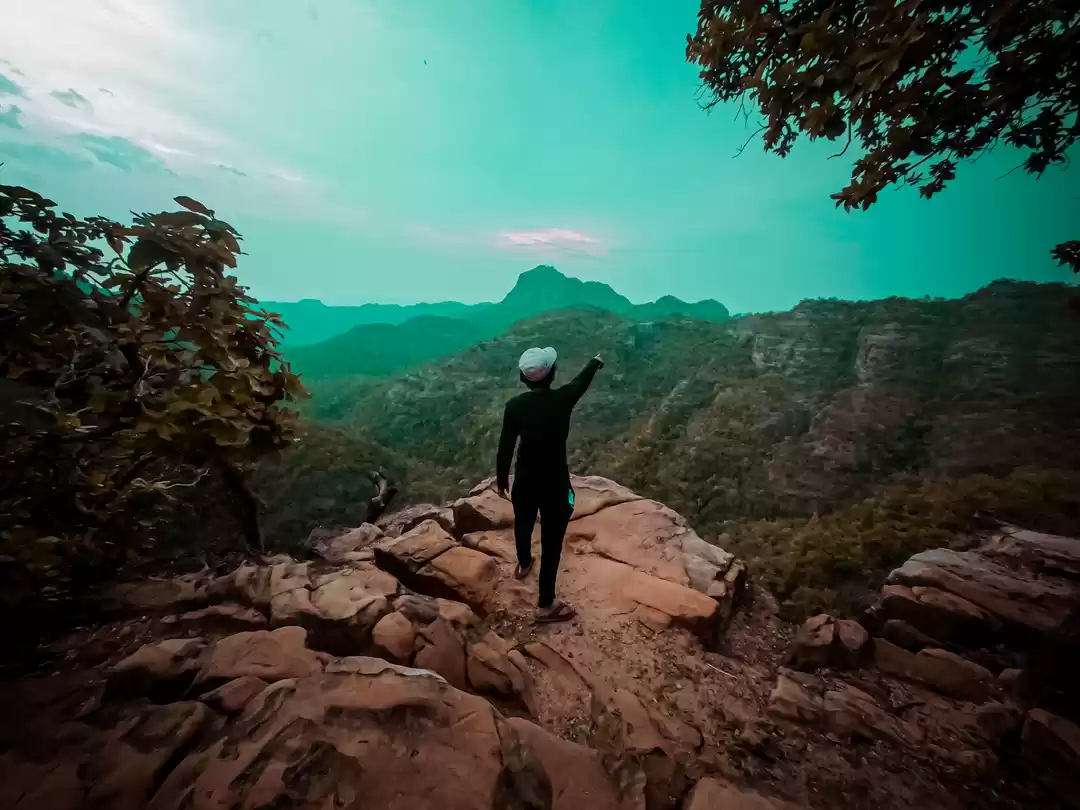
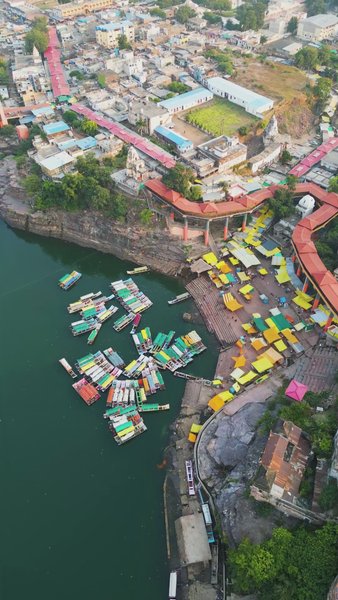
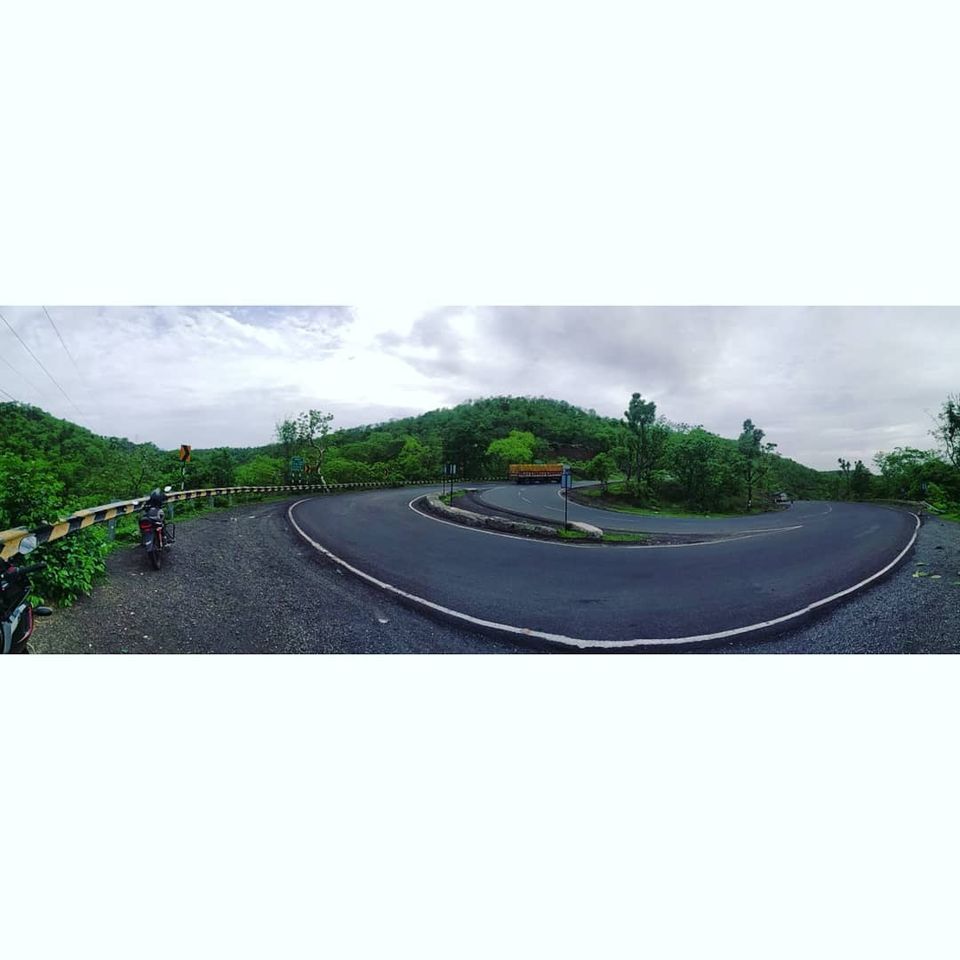
Bherughats, the ghats, were arriving as of now. The view is breathtaking when you reach the ghat site. As you can see, the road has numerous very large holes after the lockdown. Your car will sustain damage if it becomes lodged in one of these holes, and ghat spots are far from services or mechanics.
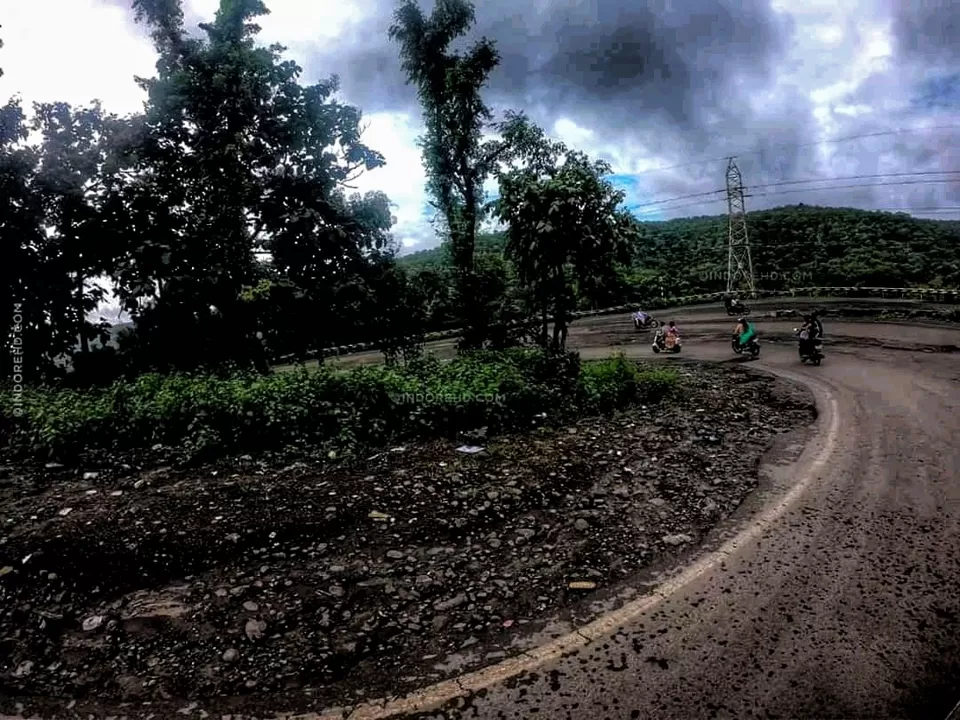
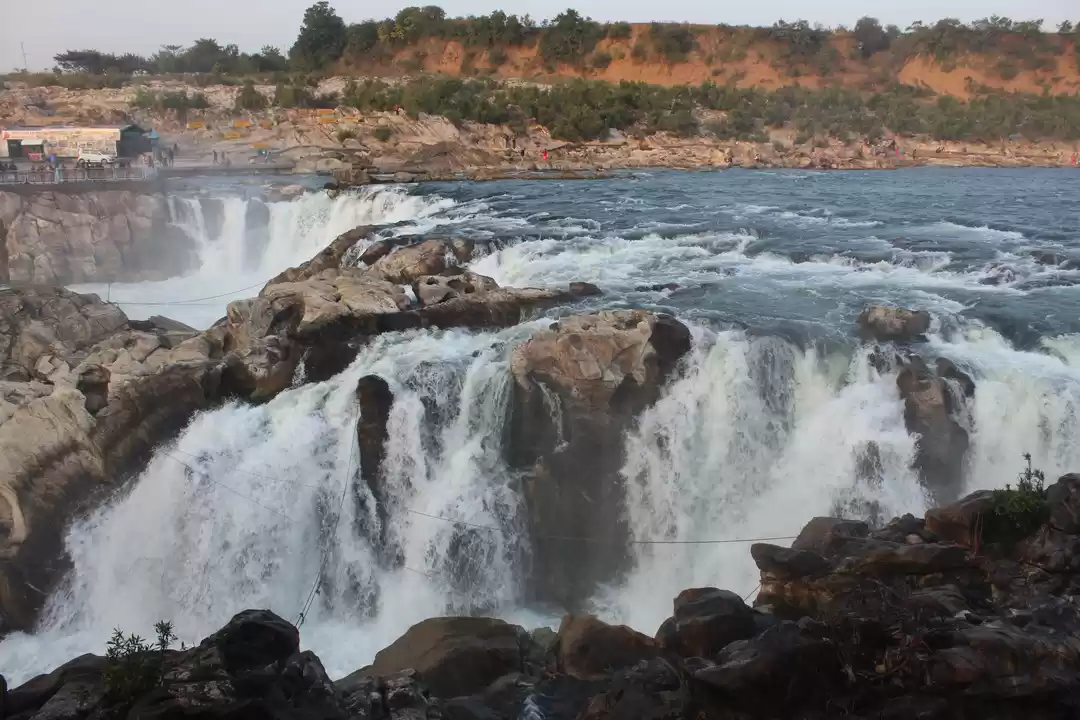
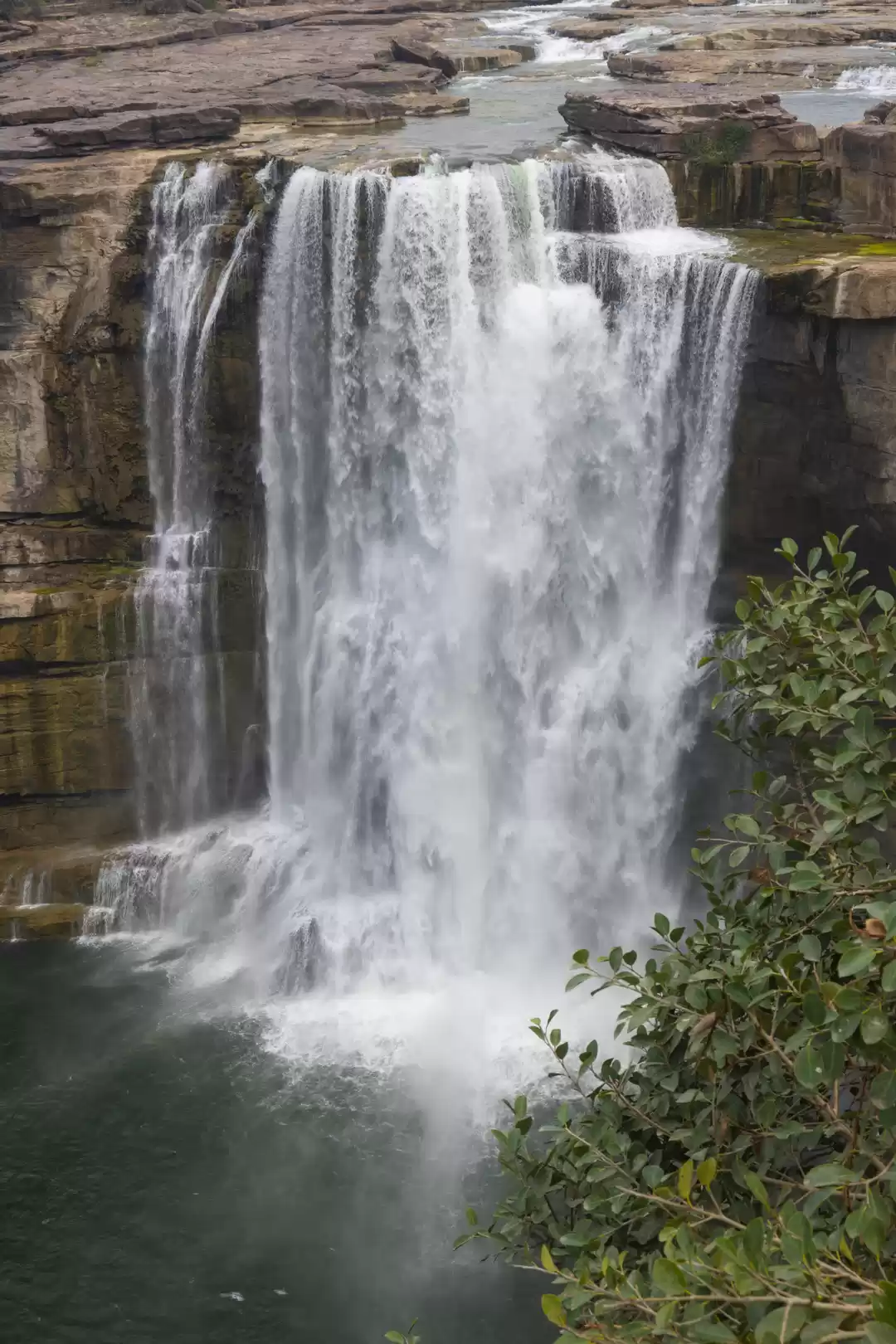
A popular tourist destination, Bherughat has a nearby waterfall. Indore residents also come for food, photo ops, and other events. It is well-known for the "American bhutta" street food as well. This place is 24 kilometres away from Indore City. It took me until 4:30 in Indore to reach safety.

Ultimately, it is decided that the road should be widened to six or four lanes by the Indian government because approximately 10,000 people use it every day, including workers, businesspeople, and commuters. Additionally, this road has seen a number of fatal accidents. The job of constructing this route was awarded to the National Highway Authority of India, which is presently making an effort to purchase land from the nearby towns.
If constructed, Khandwa will eventually provide Hyderabad (Telegana State) with a new link to Indore City. This also applies to the railway line, which would provide direct connections to the states of South India and Maharashtra.
In the end what are your views tell me after reading this ?
' fill='%23359391'%3e %3cpath d='M46.1538462%2c43.5714286 L41.5%2c50 L36.8461538%2c43.5714286 L36.8670256%2c43.5714286 C36.3173077%2c42.7142857 36%2c41.6851429 36%2c40.5714286 C36%2c37.4854286 38.4535641%2c35 41.5%2c35 C44.5464359%2c35 47%2c37.4854286 47%2c40.5714286 C47%2c41.6851429 46.6826923%2c42.7142857 46.1329744%2c43.5714286 L46.1538462%2c43.5714286 Z M41.4294872%2c39 C40.6150641%2c39 39.9487179%2c39.675 39.9487179%2c40.5 C39.9487179%2c41.325 40.6150641%2c42 41.4294872%2c42 C42.2439103%2c42 42.9102564%2c41.325 42.9102564%2c40.5 C42.9102564%2c39.675 42.2439103%2c39 41.4294872%2c39 L41.4294872%2c39 Z' id='Location-white'%3e%3c/path%3e %3c/g%3e %3c/svg%3e)